
Termite Treatment in Dallas: What to Know
If you’ve discovered termites in your Dallas home, the solution is a comprehensive, professional treatment plan tailored to our local soil, climate, and the specific species threatening your property....
Need Help? Call Now for Free Estimate
Speak with a local expert today
If you’ve discovered termites in your Dallas home, the solution is a comprehensive, professional treatment plan tailored to our local soil, climate,, learn more about rodent removal services in dallas and the specific species threatening your property. In Dallas, subterranean termites are the primary concern, with Formosan termites presenting a particularly aggressive challenge in certain areas. Effective treatment here is not a one-size-fits-all product application; it’s a strategic process involving a detailed inspection, precise identification, and a choice between two main defense strategies: liquid soil-applied termiticides or termite baiting systems. The right approach depends on your home’s construction, the extent of infestation, and your long-term goals for protection. A licensed professional will recommend a clear, customized plan with transparent pricing after assessing your unique situation.
Understanding the Dallas Termite Landscape
To grasp why termite treatment in Dallas requires a specialized approach, you need to understand what you’re up against. Our warm, humid climate and clay-rich soil create an ideal environment for subterranean termites. These insects live in colonies underground and build mud tubes—those pencil-width tunnels you might see on your foundation—to travel from their nest to the wood in your home without being exposed to air. They work silently, often for years, before signs become apparent.
The most common species is the Eastern subterranean termite. However, the more formidable Formosan subterranean termite has established itself in parts of the Dallas-Fort Worth metroplex, particularly in areas with mature tree canopies and older infrastructure. Often called "super termites," Formosans form larger colonies, consume wood faster, and can even attack living trees. Their presence necessitates a more aggressive treatment and monitoring strategy. When a professional inspects your Dallas home, identifying the species is a critical first step that directly informs the treatment protocol.
The Two Pillars of Modern Termite Defense
Once an infestation is confirmed, the conversation turns to treatment methods. Today’s most effective strategies fall into two categories: liquid soil-applied barriers and bait monitoring systems. Each has its philosophy, process, and ideal use case.
Liquid Termiticide Barriers: The Perimeter Shield
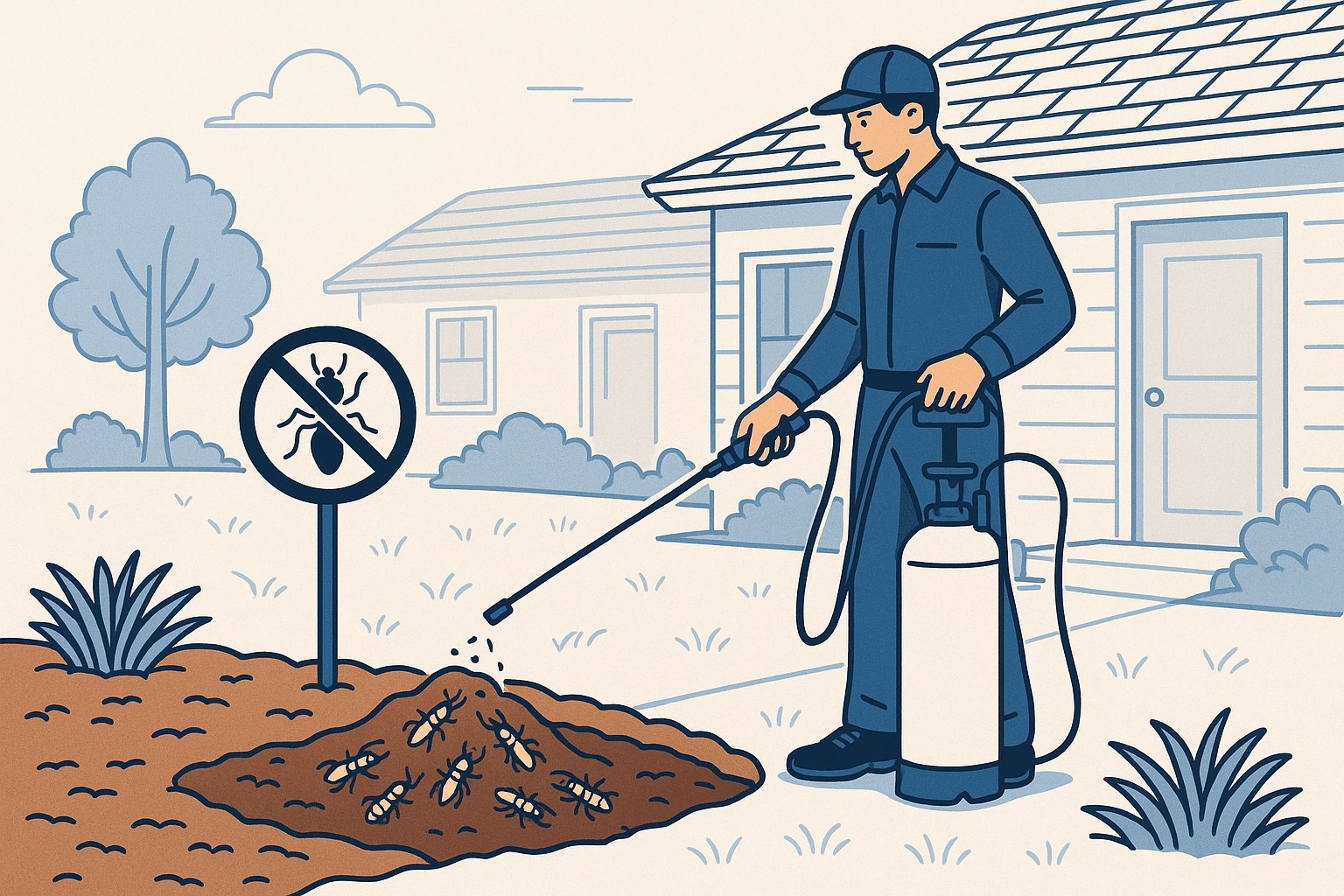
This is the most traditional and still widely used method. A licensed technician will apply a liquid termiticide to the soil around and beneath your home’s foundation, creating a continuous chemical barrier. When termites attempt to tunnel through this treated zone, they either repel from it or contact it and are eliminated. The goal is to completely encircle your home with an impassable zone of protection.
In Dallas, this process must account for our soil composition and construction standards. The technician will dig a narrow trench around the foundation, inject termiticide at a specified rate, and then backfill. They’ll also treat through expansion joints in concrete slabs and drill and treat along interior perimeter walls in critical areas like garages. The key to success is precision and completeness; any gap in the barrier is a potential entry point. Modern non-repellent termiticides are particularly effective because termites cannot detect them, pass through the zone, and spread the active ingredient throughout the colony.
Termite Baiting Systems: The Colony Elimination Strategy
This approach is more strategic and less intrusive. Instead of creating a wall, bait stations are installed in the ground around your property at regular intervals. These stations contain wood or cellulose material that is monitored regularly—typically quarterly—for termite activity. When termites are discovered feeding in a station, the wood is replaced with a bait containing a slow-acting insect growth regulator. The worker termites carry this bait back to the central colony, where it is shared through feeding (a process called trophallaxis), ultimately disrupting the colony’s ability to molt and reproduce, leading to its elimination.
For many Dallas homeowners, especially those who prefer a less invasive initial treatment or who have recurring activity, a bait system offers a targeted solution. It’s particularly useful for properties with extensive landscaping, stonework, or drainage systems that make creating a perfect liquid barrier challenging. The baiting strategy requires an ongoing service agreement for monitoring, transforming termite defense from a one-time treatment into a managed protection plan.
The Professional Treatment Process: What to Expect
Choosing a method is just one part of the journey. Here’s a breakdown of what a professional termite treatment in Dallas typically involves, from the first call to long-term peace of mind.
Step 1: The Comprehensive Inspection
A certified inspector will conduct a thorough examination of your property, inside and out. They’ll look for the telltale signs: mud tubes on foundation walls, hollow-sounding wood, discarded wings from swarmers (often mistaken for flying ants), and visible damage. They’ll use moisture meters and probing tools to inspect vulnerable areas like window and door frames, crawl spaces, and where plumbing penetrates the slab. This inspection determines the species, locates active infestations, and identifies conducive conditions—like wood-to-soil contact or improper drainage—that must be corrected for any treatment to succeed long-term.
Step 2: The Customized Proposal and Preparation
Based on the inspection, the professional will present a detailed treatment plan. This should clearly state the recommended method (liquid, bait, or sometimes a combination), the exact scope of work, the products to be used, and the warranty or service agreement terms. They will also provide a clear, all-inclusive price. Before treatment begins, you will receive a preparation sheet. This often includes moving items away from interior walls, ensuring access to the perimeter of the home, and possibly relocating pets for a few hours. Proper preparation is essential for the treatment’s effectiveness and safety.
Step 3: The Treatment Execution
On the day of service, the crew will execute the plan with precision. For a liquid treatment, this means carefully trenching, rodding, and injecting according to label specifications. For a bait system installation, they will place stations at strategic intervals and document their locations on a plot plan. The process is methodical, not rushed. A reputable company will leave the site clean and provide you with documentation of what was done and where, including diagrams of bait station locations or treatment zones.
Step 4: Post-Treatment and Ongoing Vigilance
Termite treatment is not a "set it and forget it" proposition, especially in Dallas. For liquid treatments, most companies offer a renewable warranty that includes annual inspections to ensure the barrier remains intact. For bait systems, the ongoing monitoring is the service. The technician will check the stations quarterly, looking for activity and refreshing bait as needed. This ongoing relationship is your best defense against reinfestation, as it allows for early detection and intervention.
What Happens When You Call
When you contact a professional termite service in Dallas, you’re initiating a process designed for clarity and confidence, not pressure. The first call is typically with a knowledgeable representative or scheduler who will listen to your concerns—whether you’ve seen swarmers, found mud tubes, or are just being proactive. They’ll ask a few key questions about what you’ve observed and the age and construction of your home to prepare for the inspection.
They will then schedule a time for a certified inspector to visit your property. This inspection is almost always provided at no cost and with no obligation. It’s a fact-finding mission. The inspector’s goal is to give you an accurate assessment, not a sales pitch. If termites are found, they will explain the evidence, show you what’s happening, and walk you through your options in detail. You should receive a written proposal on the spot or shortly after, giving you time to review it and ask questions. There is no need for an immediate decision. A trustworthy company understands this is a significant investment in your home and will give you the space to make an informed choice.
Investing in Your Dallas Home’s Protection
The cost of termite treatment in Dallas is an investment in preserving your property’s structural integrity and value. It is not a commodity service with a flat rate. Pricing is project-based and varies significantly based on the linear footage of your home’s foundation, the complexity of the construction (e.g., a home on a pier-and-beam foundation versus a slab, or one with multiple additions), the treatment method selected, and the severity of the infestation.
A standard liquid barrier treatment for an average single-family home can range significantly, while a comprehensive baiting system with installation and the first year of monitoring represents a different investment structure. The most important financial aspect is understanding what the quote includes: Is it just the initial treatment, or does it come with a renewable warranty or service agreement? What are the terms of that guarantee? Transparent companies will explain all costs upfront, including any annual renewal fees for continued coverage.
Local Trust Cues: Why Dallas Homes Are Vulnerable
Dallas neighborhoods from the historic districts of Lakewood and Swiss Avenue to the newer developments in Frisco and Plano all share common risk factors. Our climate provides termites with a long active season, often 10 months or more per year. The clay soil common across North Texas expands and contracts with moisture, which can create tiny cracks in foundations over time—potential gateways for determined termites. Older neighborhoods with mature trees and original wood components are at risk, but new builds are not immune, especially if construction debris was left in the soil or landscaping brings wood mulch right up against the foundation.
Furthermore, the widespread use of slab-on-grade construction in Texas means the plumbing penetrations under your sinks, toilets, and showers are direct conduits from the soil into the wooden framing of your walls. A professional treatment plan specifically targets these critical vulnerabilities.
Termite treatment in Dallas is ultimately about proactive stewardship of your home. It moves the problem from a hidden threat to a managed reality. By partnering with a licensed, local professional who understands the specific challenges of our region, you’re not just eliminating an insect colony; you’re installing a long-term defense system for one of your most valuable assets. The goal is to give you the confidence that your home is protected, allowing you to focus on living in it, not worrying about what’s silently happening within its walls.
